
Cataracts
Clouding of the eye's natural lens, in most cases age-related. Symptoms: blurred vision, glare, faded colours. Treated by replacing the natural lens with an intraocular lens.
See the treatmentEye diseases
We explain the most common eye diseases, how to recognise them and how they are treated. And we tell you clearly when you need to see an ophthalmologist urgently.
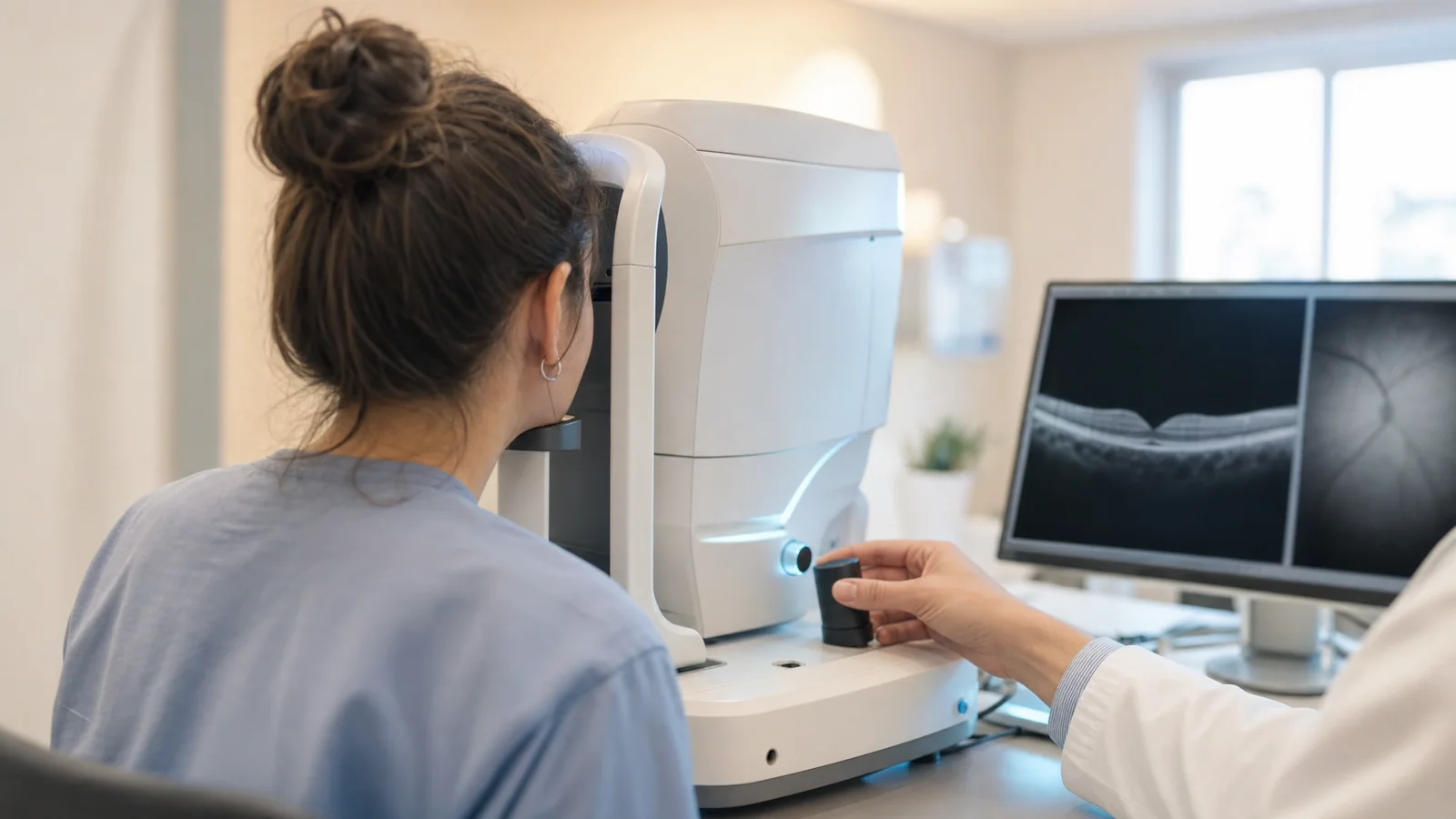 AI illustration · placeholder
By symptom
Diseases
In phase 2, each disease will have its own detailed page covering causes, diagnosis, treatment and progression. The structure is already in place.
Clouding of the eye's natural lens, in most cases age-related. Symptoms: blurred vision, glare, faded colours. Treated by replacing the natural lens with an intraocular lens.
See the treatmentDamage to the optic nerve, often with raised intraocular pressure and without symptoms for a long time. Early detection is recommended from the age of 40. Treatment with eye drops or surgery to preserve your sight.
Dry and wet age-related macular degeneration (AMD), diabetic retinopathy, vascular occlusions, retinal tears and retinal detachment. Diagnosis with OCT; treatment with intravitreal injections or laser.
Dry eye, keratoconus (bulging of the cornea), inflammation and injuries. From tear film analysis and eyelid margin hygiene to monitoring keratoconus over time.
Short-sightedness (myopia), long-sightedness (hyperopia), astigmatism and presbyopia. Correction with glasses, contact lenses, laser or an intraocular lens.
See the treatmentLazy eye (amblyopia), squint (strabismus) and refractive errors in childhood. The earlier they are detected, the better they can be treated. Examinations designed so that children can take part, and advice for parents in their own language.
Drooping eyelids (ptosis), eyelid margins turned inwards or outwards, chalazion, eyelid tumours and blocked tear ducts. Functional and aesthetically demanding procedures (oculoplastic surgery).
Sudden loss of vision, flashes of light with a shadow, severe pain, injuries or chemical burns. Do not wait: go straight to an ophthalmologist or the nearest emergency department; in Mallorca, call 112.
Anatomy of the eye
Knowing the parts of the eye makes it easier to understand each disease and each treatment.
Further illustrations planned: cataracts and intraocular lens, premium lenses and viewing distances, LASIK and lenticule, ICL, refractive errors, retina and macula, glaucoma and optic nerve, OCT, cornea.
A complete eye examination, including assessment of the macula and the back of the eye, measurement of eye pressure and evaluation of the optic nerve, takes about an hour. For residents and visitors to Mallorca alike.