+34 971 68 5333 Appointments by arrangement

Glasses-free vision

Glasses-free vision with the right technique for your eyes.

There are several techniques that can free you from depending on glasses: laser vision correction, implantable phakic lenses and lens surgery. Which one suits you best depends on your eyes, your age and your lifestyle, and we will assess this together at your consultation.

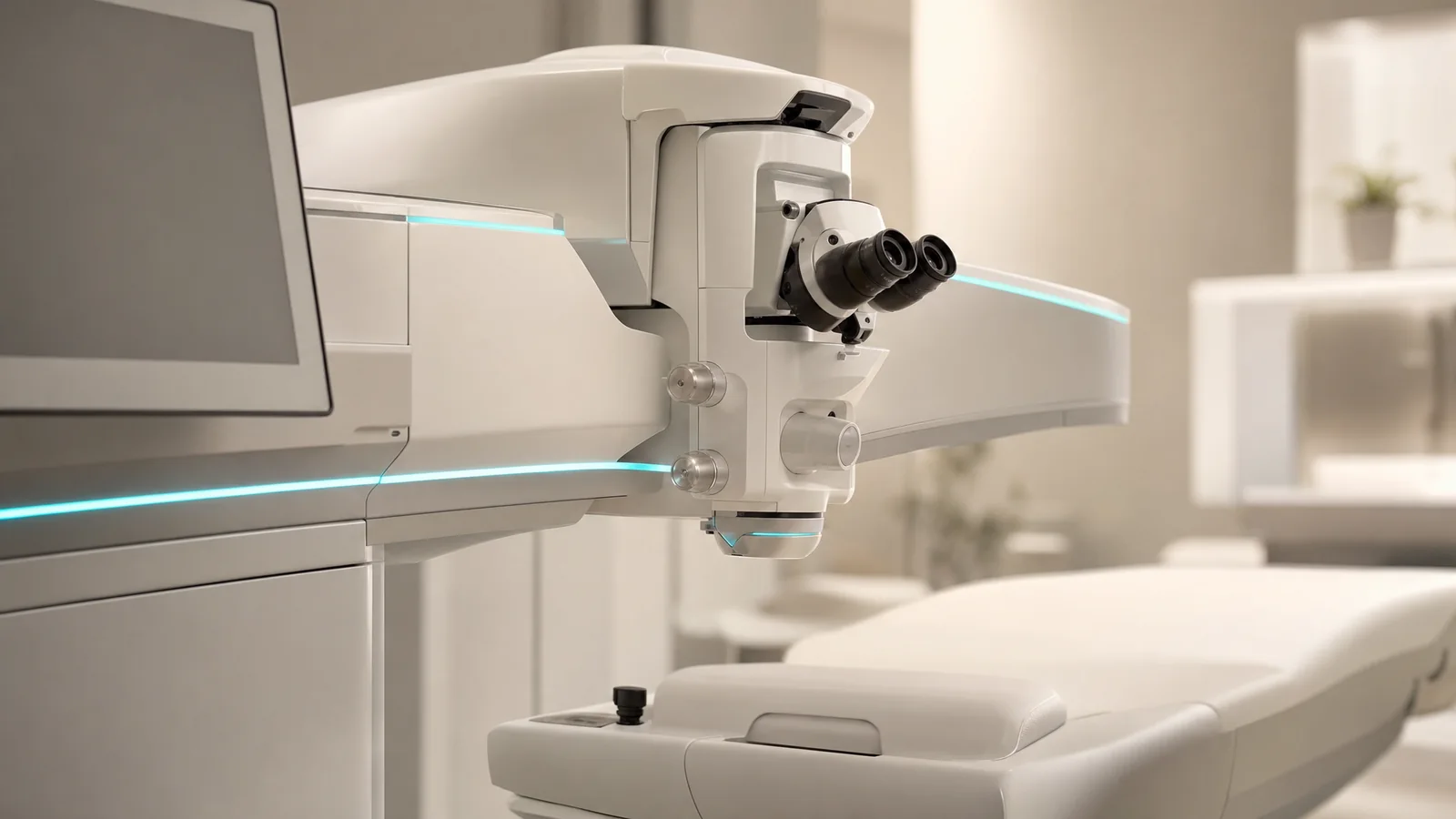
Laser system for refractive eye surgeryAI illustration · placeholder

Who it is for

Short-sightedness, long-sightedness, astigmatism or presbyopia

Today, almost any refractive error can be corrected with surgery. The key is choosing the right technique for each case. With low or moderate short-sightedness and a healthy cornea, laser vision correction is usually the first choice. With high prescriptions, a thin cornea or dry eyes, an implantable phakic lens is usually the better alternative.

If you can still see well up close, laser vision correction or an implantable phakic lens are usually the right options.

Over the years, the lens loses its flexibility and presbyopia sets in: we start to see less well up close. In that case, the solution is a different one: refractive lens exchange, which corrects both your prescription and age-related long-sightedness at the same time. We explain it on our presbyopia page.

And if no technique is suitable for you, we will tell you that too, with complete honesty.

  • Over 18, with a prescription that has been stable for at least a year.
  • A healthy cornea and no active eye disease.
  • Realistic expectations: the aim is to reduce your use of glasses as much as possible, although it cannot always be guaranteed that you will never need them again.

At a glance

Techniques
Laser (LASIK or PRK), phakic lens
Duration
A few minutes per eye
Anaesthesia
Anaesthetic eye drops
Stay
In many cases a few days, depending on the technique
Aftercare
Check-up the next day; after that, as planned, where you live

Guide values. What applies in your case is determined by your personal examination.

The techniques in brief

Two paths, one goal

Laser (LASIK or PRK)

The excimer laser changes the curvature of the cornea to correct your prescription. There are two techniques:

LASIK: first, a thin flap is created on the surface of the cornea and the laser is applied underneath it. Recovery is quick, and most patients see clearly within one or two days.

PRK: the laser is applied directly to the surface of the cornea, without creating a flap. Recovery is somewhat slower, but it is a good option when the cornea is thinner, or for people who do contact sports or work in jobs where the eyes are at risk of being hit.
Short-sightedness, long-sightedness, astigmatism, thin cornea

Implantable phakic lens

A lens is implanted inside the eye, in front of the natural lens, which is preserved. The cornea is not altered and, if necessary, the lens can be removed.

Suitable for high prescriptions, thin corneas and dry eyes.

The specific equipment and laser platforms will be defined with the ophthalmologists in phase 2.

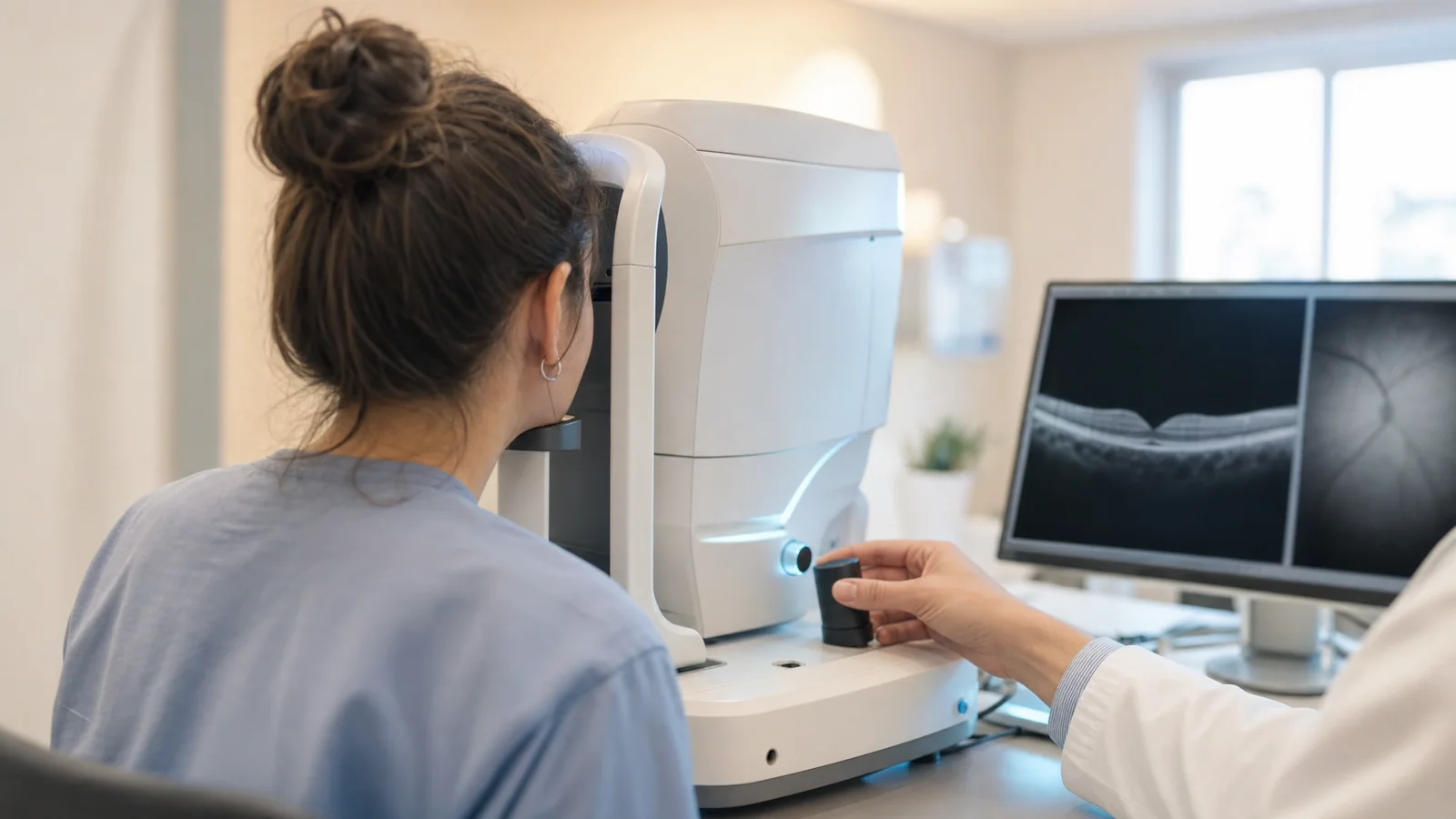
Preliminary examination before laser treatmentAI illustration · placeholder

Process

From the suitability assessment to the check-up

  1. Initial assessment

    Before your first visit, we will ask you to fill in a short online questionnaire and tell us your current prescription. With this information, we can make an initial assessment of whether you are a candidate for refractive surgery.

    If you live outside Mallorca, you can send us your previous eye examination reports. An ophthalmologist from the team will review them before you travel.

  2. Full examination at the clinic

    We carry out a detailed examination of your eyes: the shape and thickness of the cornea, the size of the pupil, the quality of your tear film and the condition of the retina. With this data, we decide which technique is best for you.

    The visit takes about two hours. If you wear contact lenses, you will need to stop wearing them a few days beforehand; we will tell you exactly how many, depending on the type of lens you wear.

  3. Treatment

    The surgery is an outpatient procedure, with anaesthetic eye drops, and no hospital stay is needed. With laser treatment, both eyes are usually treated on the same day. Straight afterwards your vision will be somewhat blurred, and it improves noticeably over the following days.

  4. Check-ups

    The first check-up takes place the following day at our clinic. The next ones can be done here or with your own ophthalmologist. We will give you all your medical reports so that you can take them to any check-up.

Questions and answers

What patients want to know before deciding

Am I a candidate for glasses-free vision treatment?

This can only be determined after a detailed preliminary examination. The general requirements are being at least 18 years old, a prescription that has been stable for about a year, a healthy cornea and no active eye disease. If you live outside Mallorca, you can send us your current prescription and medical reports in advance so that we can assess them.

Which technique is the best?

There is no technique that is better than all the others, only the one that is right for your eyes. The thickness of your cornea, the degree of your refractive error, your age, your profession and your tear film all play a part in the decision. We make a recommendation after the diagnosis and explain why.

How long do I need to stay in Mallorca for laser treatment?

As a guide: in many cases, the final diagnosis, the treatment and the first check-up can be arranged within a few days. The doctor in charge clears you for your journey home after the check-up. Your personal stay plan shows how many days your technique requires.

Do I need to stop wearing contact lenses before the examination?

Yes. Contact lenses change the shape of the cornea. As a rule, soft lenses should be left out for one to two weeks before the preliminary examination, and rigid lenses for considerably longer. We will tell you the exact period when we schedule your appointment.

Is the result permanent?

The correction of the cornea or the implanted lens remains. Even so, the eye changes over the years, for example through presbyopia from the mid-forties or through cataracts later on. Before treatment, we talk openly with you about these changes.

Are you a candidate?

Send us your current prescription or your eye examination reports and our team will review them with no obligation. If you live outside Mallorca, you will then know whether the treatment is suitable for you before you plan your trip.

Call Book appointment